Optimizing Run Recovery: A Practical Guide for Runners
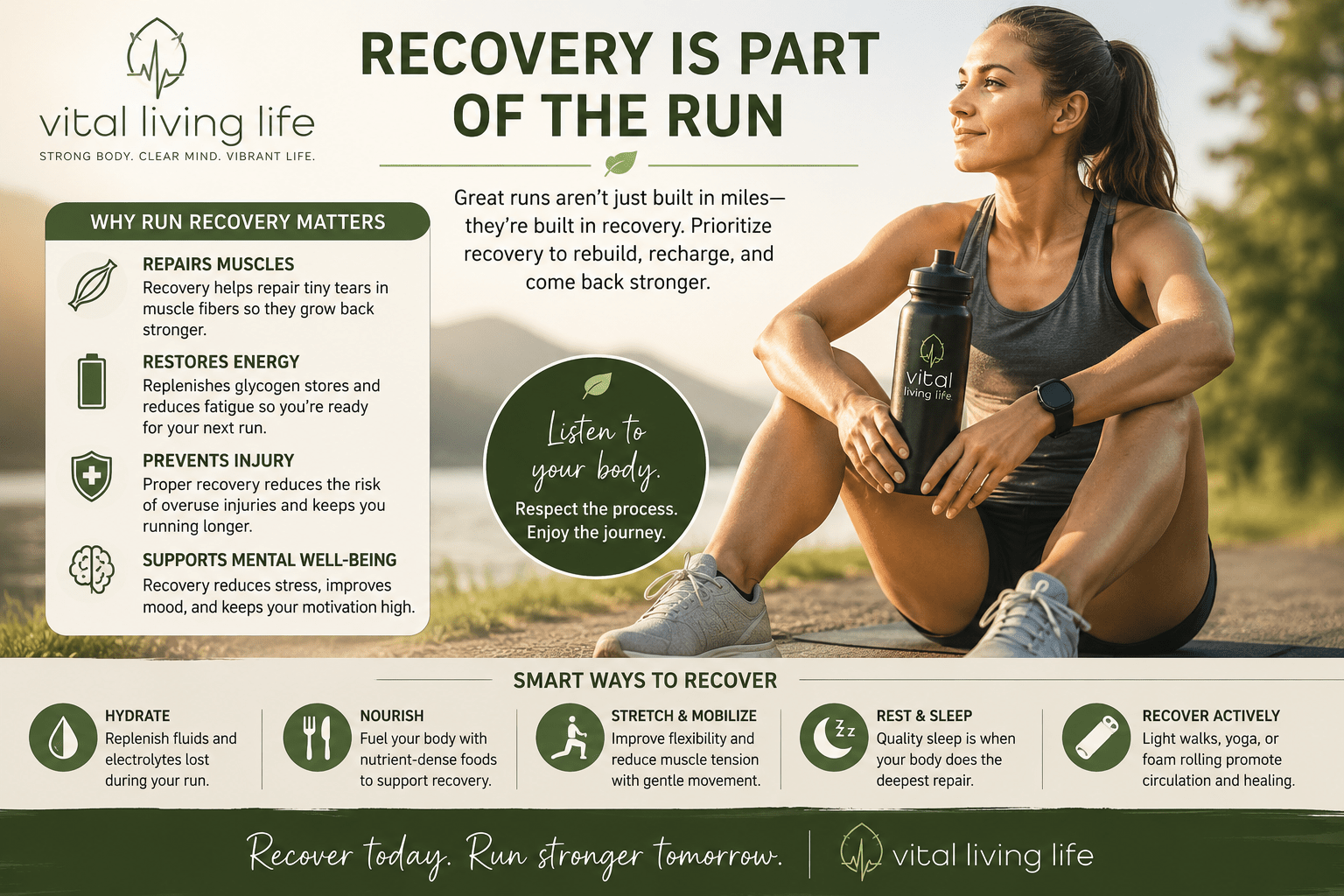
Recovery is just as important as your pre-run routine when aiming to improve distance, performance, and overall consistency. Establishing effective recovery habits helps prepare your body for future training and reduces the risk of injury. If you haven’t given much thought to recovery, the following guidance will help you make informed choices.
A helpful principle to keep in mind is this: avoid shocking your muscles into or out of activity. Every run should include a gradual warm-up and a controlled cool-down. Keeping your muscles consistently moving and properly stretched will support steady improvement over time.
Cool-Downs
A proper cool-down is essential. The final minutes of every run should gradually decrease in intensity, ending with a walk or very slow jog. Aim for at least five minutes.
Continue light movement after your run. Sitting immediately afterward can contribute to stiffness and soreness.
Hydration
Hydration plays a critical role in recovery. For longer runs, incorporating electrolytes can help replenish what is lost through sweat and support muscle function. Consuming electrolyte drinks or supplements before and after long runs may improve how you feel during recovery, particularly if you experience fatigue the following day.
Rest and Sleep
Sleep is the most important component of recovery. During sleep, the body repairs muscle tissue, regulates hormones, and restores energy.
Prioritize consistent, high-quality sleep—ideally 7–9 hours per night. While stretching, foam rolling, and walking are beneficial, they are secondary to adequate rest. Supporting good sleep hygiene, such as limiting screen time before bed, can further enhance recovery.
Stretching and Flexibility
Incorporating stretching into your routine helps maintain flexibility and reduce injury risk. Focus on major muscle groups after each run, including:
- Hip flexors
- Hamstrings
- Quadriceps
- Calves
- Glutes
Dynamic movements such as lunges can be useful, while static stretches (held for 20–30 seconds) are effective post-run. Practices like yoga can further improve mobility, balance, and body awareness. Regular yoga sessions—whether on rest days or even on run days – can significantly enhance overall performance and recovery.
Mobility Work
Mobility routines, such as the Myrtl Routine, target hip strength and stability, which are critical for runners. Performing mobility exercises several times per week can improve movement efficiency and reduce injury risk.
The Myrtl Routine is a form of mobility exercise that focuses on the hips and upper legs. It’s suggested you do the Myrtl Routine about five times a week with bands.
The “Myrtl Routine” is attached to this article.
Foam Rolling and Massage
Foam rolling is a form of self-myofascial release that can help reduce muscle tightness, improve circulation, and support flexibility. It is particularly effective for larger muscle groups such as the quadriceps, hamstrings, and calves.
Massage tools, including massage guns, can provide similar benefits and may help relieve localized muscle tension. Professional sports massage—such as sessions incorporating trigger point therapy—can further support recovery and performance when done regularly.
Cold and Heat Therapy
Cold exposure, such as ice baths, may help reduce soreness in some cases, though scientific evidence on accelerated muscle recovery remains mixed.
Heat therapy, including hot baths or hot tubs, can promote relaxation and increase blood flow, which may help alleviate muscle stiffness. Both approaches can be used based on personal preference and comfort.
Active Recovery
Recovery does not mean complete inactivity. Light movement helps maintain circulation and supports muscle repair.
Options include:
- Walking or gentle movement post-run
- Easy recovery runs (typically under 40 minutes at low intensity)
- Short, slow runs in the days following a race
However, balance is key. If soreness persists, incorporating full rest days is equally important.
Nutrition for Recovery
Proper nutrition is essential for recovery and performance. Focus on meeting your caloric and macronutrient needs, particularly:
- Carbohydrates to replenish glycogen stores
- Protein to repair muscle tissue
- Healthy fats for overall energy balance
Whole, minimally processed foods should form the foundation of your diet. While convenient, heavily marketed recovery products are not necessary for most runners.
Post-run meals should include a combination of carbohydrates and protein. For longer runs, more substantial meals can help restore energy levels. Limiting excessive alcohol and caffeine intake can also support better recovery outcomes.
Training Structure and Recovery Cycles
As training intensity increases, recovery demands also rise. Consider adjusting your training schedule to include additional recovery days or extending your training cycle (e.g., from a 7-day to a 9-day rotation) to better accommodate workload and recovery.
Additional Considerations
Some runners find benefit in the following, though effectiveness may vary:
- Compression socks to support circulation
- Topical applications for comfort (e.g., menthol-based rubs)
- Heat therapy for muscle relaxation
Use these tools selectively and based on personal response.
Conclusion
Running places significant demands on the body. Prioritizing recovery is essential for improving performance, reducing soreness, and preventing injury. By incorporating consistent recovery strategies—such as proper cool-downs, hydration, sleep, nutrition, and mobility work—you can support long-term progress and sustainability in your training.
Effective recovery is not optional; it is a fundamental component of becoming a stronger, more resilient runner.
 Vital Living Life